ol > li {
position: relative;
padding-left: 25px;
margin-bottom: 10px;
counter-increment: item;
}
ol > li::before {
content: counter(item) “. “;
position: absolute;
left: 0;
}
ul li::before {
content: “”;
position: absolute;
left: 0;
top: 8px;
width: 6px;
height: 6px;
background: #000;
border-radius: 50%;
}
.toc-container {
border: 1px solid #e5e5e5;
padding: 20px;
border-radius: 12px;
background: #fafafa;
margin: 20px 0;
}
.blog_content_con div {
margin-bottom: 5px !important;
}
.blog_content_con p {
margin: 0 0 6px 0 !important;
}
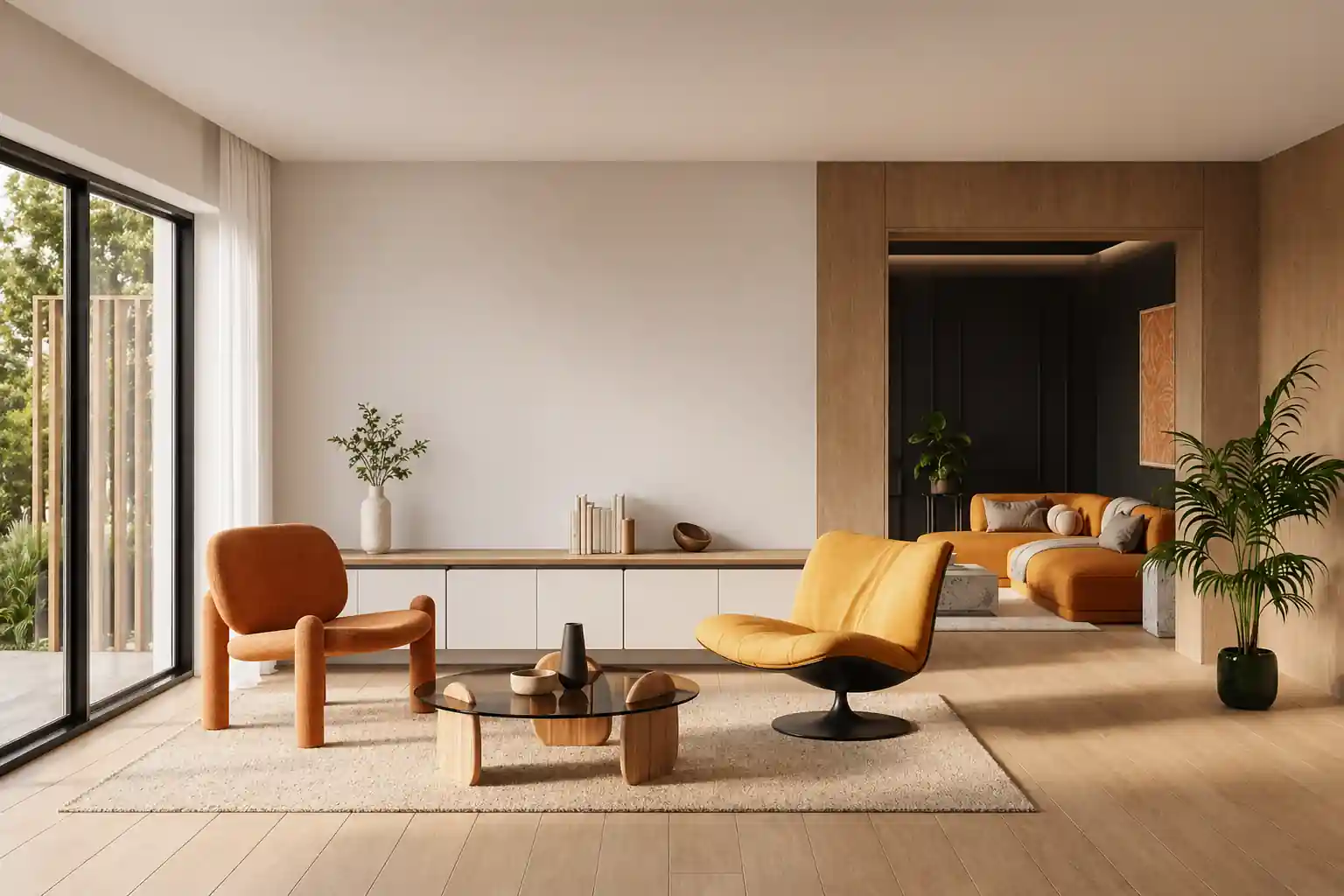
The goal of room interior design is to bridge the gap between a room that looks good and a space that truly feels like yours. Your decor has to say something about you as a person, otherwise a ‘house’ will never feel like a ‘home’. Even the best paint, sofas, tables, and lighting cannot make a cosy space unless they suit your personality.
An area that appears to belong to anyone, ends up feeling like it belongs to nobody. This is why we go through some simple room interior design tips that can help you create a home that actually feels like your own.
What is the Difference Between a House and a Home?
Although these terms refer to two quite different topics, most people use them interchangeably. The first step in realising the significance of design is to comprehend the distinction between a house and a home.
A house is a building. There are four walls, a roof, and designated rooms. It exists independently of the people inside it. You can buy it, rent it, sell it, or describe its square footage.
A home is something else entirely. It is the same space after it has absorbed the personality, habits, memories, and preferences of the people living in it. What is the difference between home and house comes down to this: one is architecture, the other is identity.
Home vs house is not about ownership or permanence. People have felt at home in rented flats and felt like strangers in sprawling bungalows they owned outright. The difference is always personal.
Why is Personalised Room Interior Design Important?
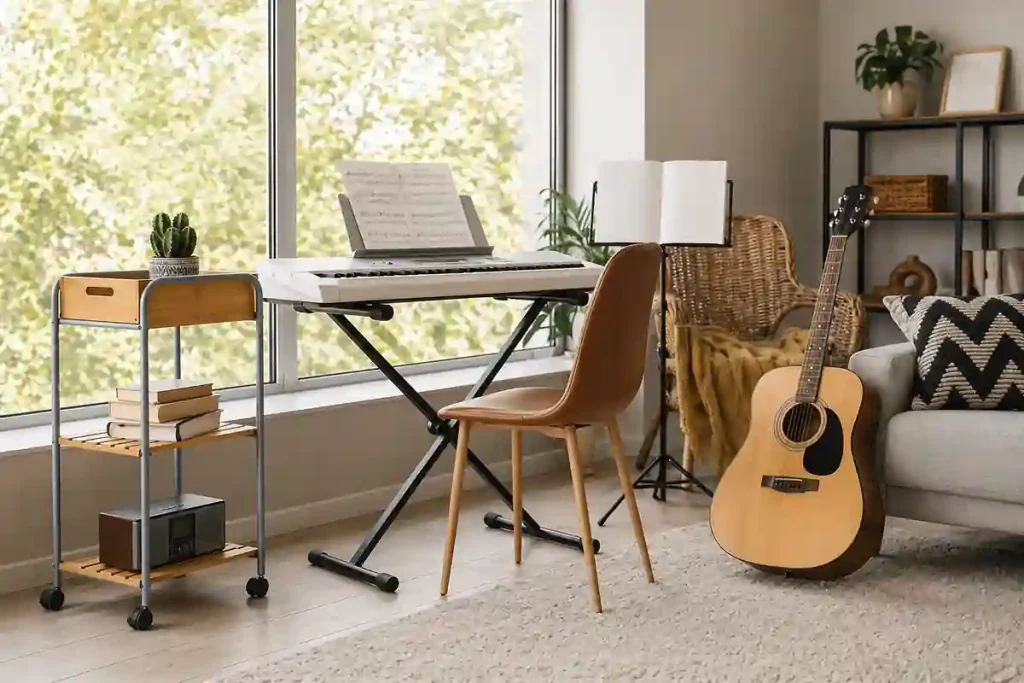
Something subtly changes when a space is created with you in mind. You feel more at ease, more focused, and more like yourself when the environment reflects who you are.
Simple things that affect your mood include:
• The colour you see when you get up
• The chair you use for work, study, or even watching TV
• The lighting and layout of your rooms
Good room interior design takes all of this seriously. It treats design not as decoration but as a practical act of building the life you want to live inside a space.
How Your Lifestyle Should Shape Every Design Decision
How do you really use this space? It is a good question to ask before discussing colour schemes or furniture designs.
Here’s a very short list of just some of the things you need to consider:
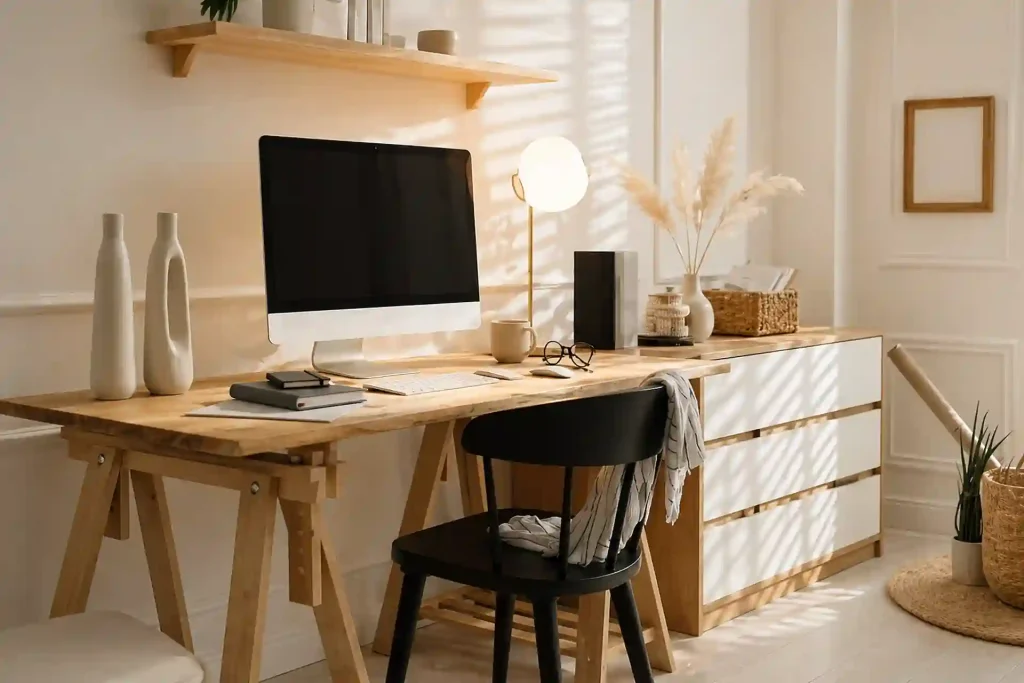
1) Do you work from home?
A functional workstation is necessary for someone who works from home full-time. This is especially true if you live in an open-layout home, where the transition between a rest space and a workspace is unclear.
2) Do you have children or pets?
A household with small children needs easily cleaned materials and furniture set up so youngsters can walk around freely and without worry. Pets are an even bigger concern, as they can easily damage furniture that hasn’t been designed with them in mind.
3) What hobbies do you have?
A creative hobbyist requires a space that doesn’t need to be packed up each time someone visits. A dedicated mini-library for readers, a small studio for musicians, or a home gym for those who love to work out. Think about what you love to do and build your rooms accordingly.
4) Are you social or prefer a quiet home?
Like to invite your friends over for home parties? Then your living room interior design needs to reflect your desire to socialise. Alternatively, do you prefer to stay at home alone and relax without interruptions? Then you can focus more on cosiness without worrying about guest accommodation.
How does furniture selection differ from person to person?
Furniture selection in personalised room interior design follows directly from the questions posed above. Every piece earns its place by serving real behaviour, not just filling visual space. A sofa chosen for how it actually feels to sit in after a long day is a different purchase from one chosen because it looked good in a showroom. A dining table sized for how many people genuinely eat at it regularly, rather than the theoretical maximum, leaves the room feeling open rather than cramped.
These decisions, made thoughtfully and in sequence, are what make room interior design feel intentional rather than just assembled.
How Can Colour Selection Make a House Feel Like a Home?
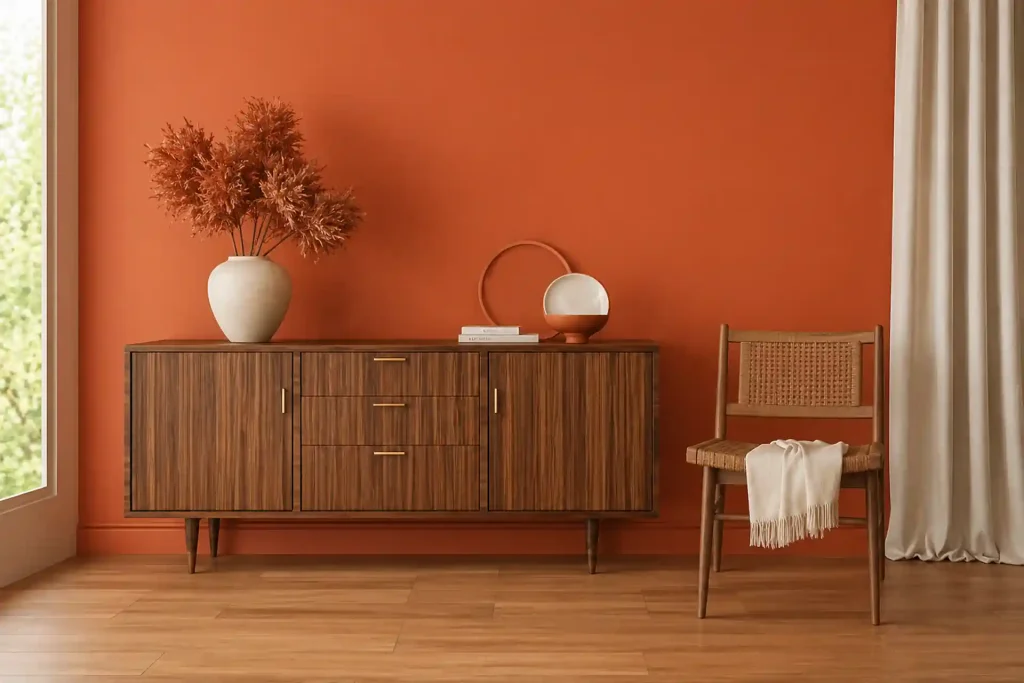
Home colour selection is one of the most immediate ways a room communicates personality. Colour is not just visual, it is deeply emotional.
• Warm terracottas and earthy ochres feel grounded and generous
• Soft blues and sage greens feel calm and considered
• Deep charcoal and navies can feel cosy and sophisticated when balanced with enough light
The key with colour selection for room interior design is consistency and intention. A colour that means something to you, whether it reminds you of a place you love or simply makes you feel settled when you see it, will always serve you better than one picked because it was trending that season.
Lighting and Textures
Lighting shapes mood more than almost anything else and is the most underused design tool in most homes. Layered lighting, a mix of ambient, task, and accent sources, lets a room shift from productive to restful depending on what you need at any given hour.
Textures add the warmth that makes a room’s interior design livable rather than just good-looking. A linen cushion, a jute rug, a wooden shelf next to a concrete wall. These contrasts give the eye a place to rest, and a room a sense of depth that flat, uniform surfaces never quite achieve.
Small Changes, Significant Difference
A complete makeover is not always necessary for personalised room interior design. Smaller choices taken with greater intention might occasionally result in the most significant changes.
Let’s go through some simple personalisation tips:
• Share a picture from a journey that was significant to you
• Arranging a shelf such that the books you reach for are at precisely the right height
• Swap out a harsh overhead light for a warm-toned lamp that alters the room’s atmosphere
• Bring in a plant that you genuinely like taking care of
• Display an item with a backstory as opposed to one that was merely a shelf filler
A space that feels like home is one that is filled with reminders of your cherished memories, dreams, and hobbies.
What Bonito Designs’ Approach Brings to This
Bonito Designs‘ LifeDesign approach starts with exactly the kinds of questions described above. Before layouts are finalised or materials are chosen, the conversation is about you. Your daily routine, your family, and how you get through the day.
As a result, their room interior design is more than just a well-constructed area. It mirrors who you truly are, holds what your life requires, and works the way your life works. What makes a house a home is that blend of aesthetics, functionality, and individuality.
A Home Is a House That Knows Who Lives in It
When it comes to good design, the most honest thing to say is that it should feel natural. That is the real purpose of room interior design. Making a space feel, look, and work like your own is more important than making it look the way it should.
Book a consultation with Bonito Designs today to begin your journey to transform your house into a home that is truly yours!
PakarPBN
A Private Blog Network (PBN) is a collection of websites that are controlled by a single individual or organization and used primarily to build backlinks to a “money site” in order to influence its ranking in search engines such as Google. The core idea behind a PBN is based on the importance of backlinks in Google’s ranking algorithm. Since Google views backlinks as signals of authority and trust, some website owners attempt to artificially create these signals through a controlled network of sites.
In a typical PBN setup, the owner acquires expired or aged domains that already have existing authority, backlinks, and history. These domains are rebuilt with new content and hosted separately, often using different IP addresses, hosting providers, themes, and ownership details to make them appear unrelated. Within the content published on these sites, links are strategically placed that point to the main website the owner wants to rank higher. By doing this, the owner attempts to pass link equity (also known as “link juice”) from the PBN sites to the target website.
The purpose of a PBN is to give the impression that the target website is naturally earning links from multiple independent sources. If done effectively, this can temporarily improve keyword rankings, increase organic visibility, and drive more traffic from search results.