@font-face {
font-family: ‘Heading2Font’;
src: url(‘ format(‘opentype’);
}
@font-face {
font-family: ‘NOTOSANSREGULAR’;
src: url(‘ format(‘truetype’);
}
body {
font-size: 15px !important;
font-family: ‘NOTOSANSREGULAR’;
line-height: 1.7;
}
h2 {
font-family: ‘Heading2Font’;
font-size: 23px;
line-height: 32px;
margin-bottom: 12px;
}
h3 {
font-family: ‘Heading2Font’;
font-size: 20px;
line-height: 28px;
margin-bottom: 10px;
}
.toc-container {
border: 1px solid #e5e5e5;
padding: 20px;
border-radius: 12px;
background: #fafafa;
margin: 20px 0;
}
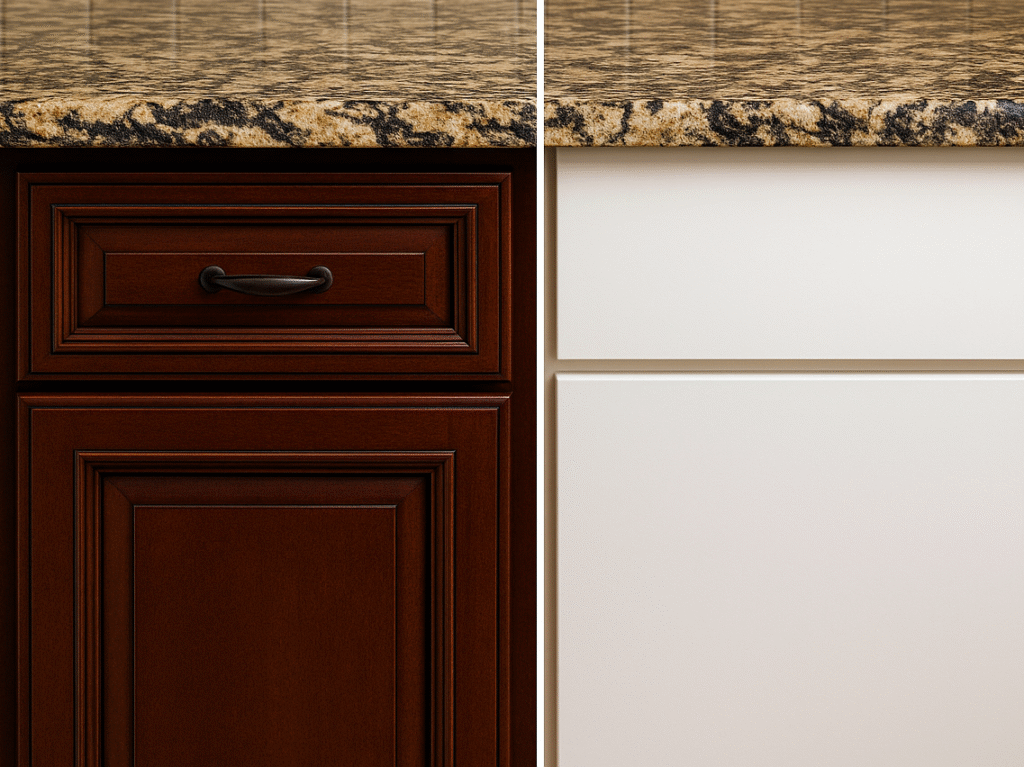
Effective flat interior design depends on making key decisions early, before execution begins. The most important choices include layout, storage, electrical points, lighting, wet areas, flooring, kitchen planning, furniture sizing, material coordination, and lifestyle mapping. Importantly, flat interior design decisions should always be made with how a household actually lives in mind.
Most people assume that interior design goes wrong during execution with a contractor who cuts corners, a material that does not match the sample, or a timeline that slips. While these things happen, they are rarely where the real damage is done.
The homes that end up feeling right are the ones where the foundational decisions were made correctly, early, and in the right order. The ones that disappoint almost always have a problem that started at the design stage itself.
Here are the ten decisions that determine everything else about your flat interior design.
1. Layout Before Everything Else
The floor plan you receive from the builder is a starting point, and not a finished brief for your flat interior design. Wall positions, door swings, and room designations can often be reconsidered before any work begins.
The first decision in any home interior design process should be whether the existing layout actually serves how your household lives. A wall removed between the kitchen and dining area, a door repositioned to improve flow, or a bedroom repurposed as a study are all examples of changes that cost relatively little at the planning stage but are expensive or impossible to reverse later.
2. Storage Allocation
Most homeowners dramatically underestimate how much storage their home needs. They plan for the possessions they currently have and forget to account for accumulation over five to ten years.
Storage decisions in flat interior design should be made at the layout stage, not after furniture is selected. Where will the linen go? Where does seasonal luggage live? Is there enough kitchen storage for the way this household actually cooks? Every unanswered question at this stage becomes a problem later.
3. Electrical and Data Point Planning
This is the decision most first-time homeowners regret skipping. Electrical points need to be finalised before walls are plastered and flooring is laid. Repositioning a socket or adding a point afterwards means breaking walls, replastering, and repainting.
Think through every room in use: where will the bed be, which side gets the reading lamp, where does the television sit, and where will someone charge a phone while working at the kitchen counter. Knowing how to plan interior design for a house correctly means answering these questions before the electrician leaves the site.
4. Lighting Design
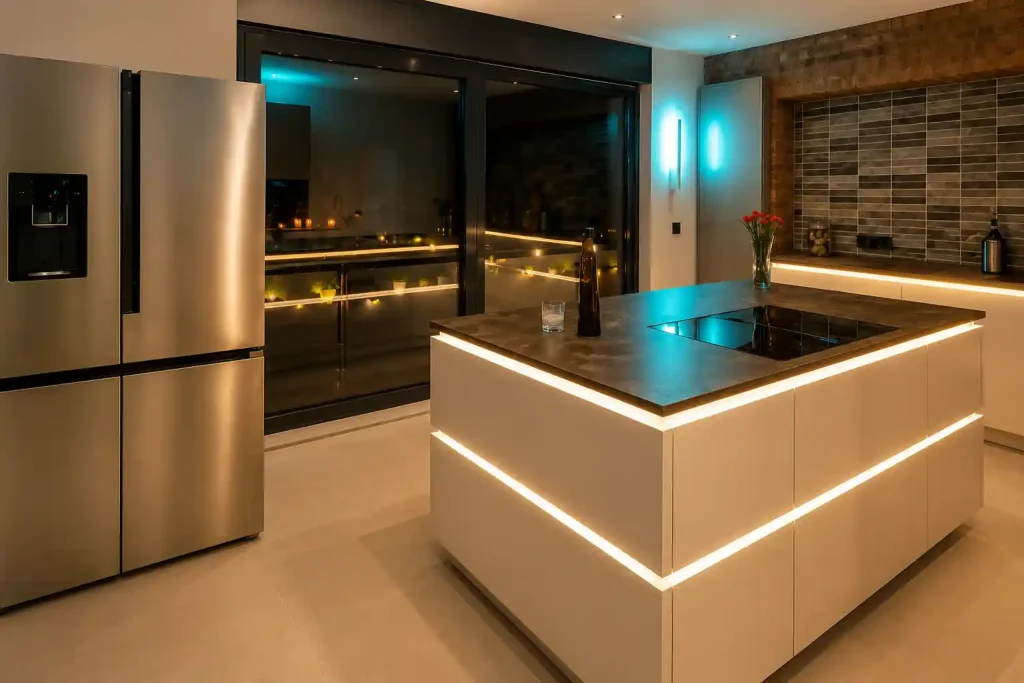
A single overhead fitting in every room is a builder’s default, not a lighting plan. Layered lighting, ambient, task, and accent, needs to be specified before ceilings are closed.
This decision shapes how every room feels at every hour of the day. It also cannot be meaningfully corrected without reopening the ceiling. In flat interior design, lighting is a structural decision, not just a decorative one.
5. Wet Area Finalisations
Bathrooms and kitchens need to be fully resolved before any other work begins, because their plumbing and drainage affect everything around them. Fixture positions, drain locations, and tile layouts all need to be decided at this stage.
Making renovations after waterproofing and tiling is already done can be extremely expensive. Ultimately, wet areas are among the most vulnerable in flat interior design, and ignoring them can be a costly mistake in the long term.
6. Flooring Decisions
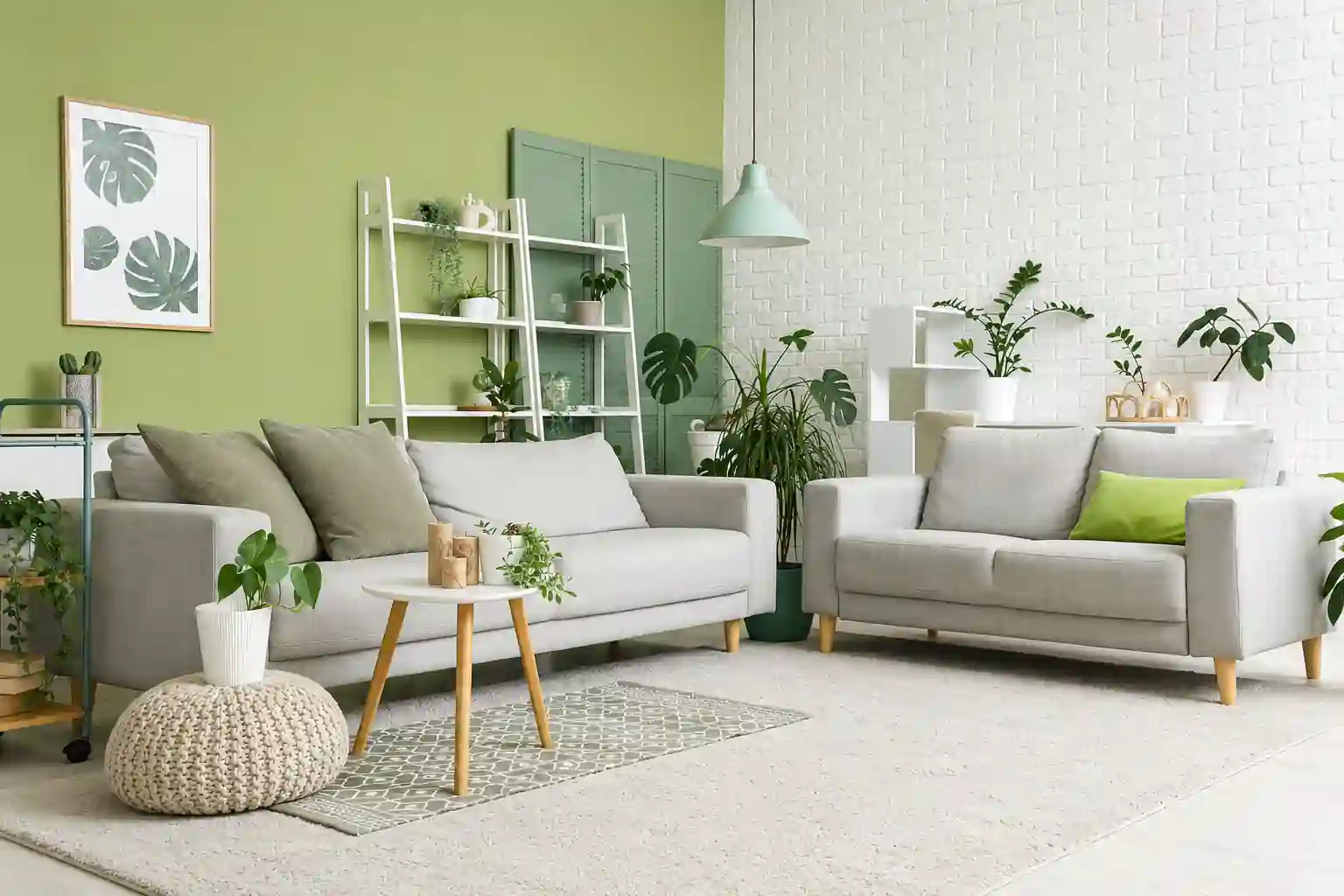
Flooring affects every other material and finish in the flat interior design. The tone of the floor influences which wall colours work, which furniture reads well, and how much light the space appears to have.
It also needs to be decided before cabinetry is measured, because floor thickness affects the height at which kitchen platforms and wardrobes are built. Changing flooring after cabinetry is installed creates unevenness that is difficult to fix cleanly.
7. Kitchen Layout and Platform Height
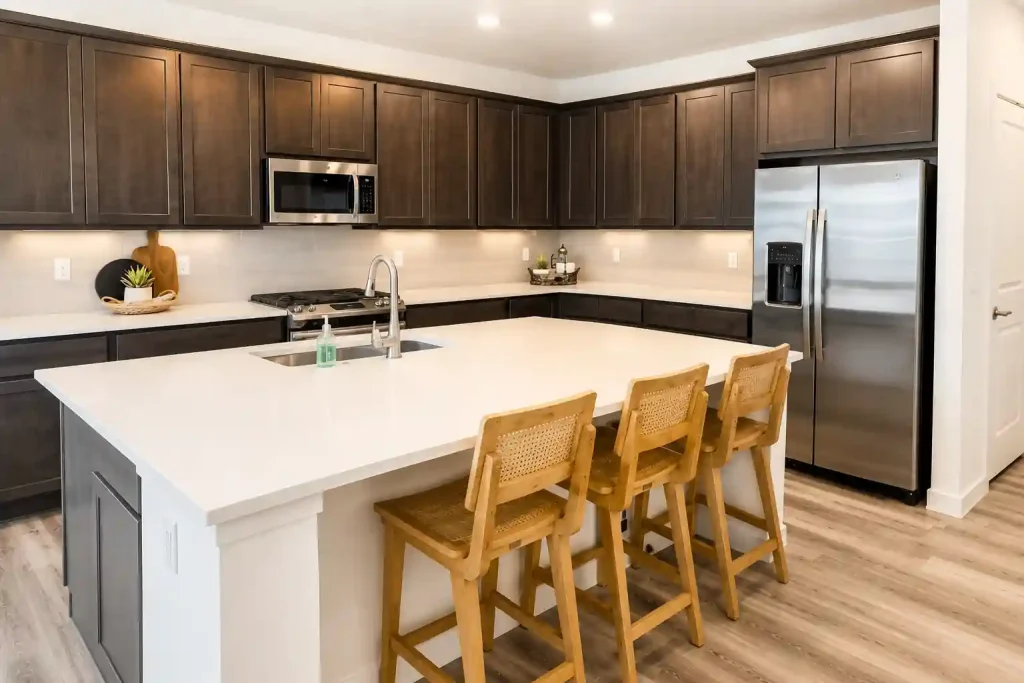
The kitchen is the most functionally demanding space in any home. Interior design ideas for kitchens that look good but are uncomfortable to cook in are a daily irritation for whoever uses them.
Platform height should be calibrated to the primary cook’s height, not to a standard measurement. Workflow, the sequence in which tasks happen from storage to prep to cooking to plating, should determine the layout.
8. Furniture Sizing and Sourcing Plan
Most first-time homeowners buy furniture after the flat interior design work is complete, without cross-referencing dimensions against the floor plan. The sofa that looked right in the showroom does not fit the way it was imagined. The dining table is too large for the space once chairs are pulled out.
Luxury flat interior projects handle this differently: furniture is specified at the design stage, with exact dimensions mapped against the floor plan before any sourcing begins.
9. Material and Finish Coordination
Every material in a home has an undertone. Wood, stone, metal, fabric. When these undertones conflict, the home feels unsettled even if each individual choice seemed right in isolation.
A cohesive flat interior decoration is almost always the result of materials selected together as a palette rather than independently.
10. How You Actually Live in the Space
This is the decision that sits underneath all the others and is asked least often. Not how you want the home to look, but how you actually move through it on a typical day.
Where do bags land when someone walks in? Where does the family actually eat, versus where the dining table is positioned? Which rooms get used in the morning versus the evening? Flat interior design that maps these patterns before planning begins produces homes that feel instinctively right.
How Bonito Designs Gets These Decisions Right
Home interior design at Bonito Designs begins with a structured discovery process before any design work starts. Our Life Design philosophy means the team maps how each household actually lives, their daily routines, storage habits, work patterns, and lifestyle needs, and uses that understanding to drive every one of the ten decisions above.
This is what prevents the foundational mistakes that undermine flat interior design outcomes. The success of your flat interior design is not determined by what happens on site. It is determined by the clarity of what was decided before anyone picked up a tool.
If you are about to start your interior design journey and want to get the foundations right, book a consultation with Bonito Designs today.
PakarPBN
A Private Blog Network (PBN) is a collection of websites that are controlled by a single individual or organization and used primarily to build backlinks to a “money site” in order to influence its ranking in search engines such as Google. The core idea behind a PBN is based on the importance of backlinks in Google’s ranking algorithm. Since Google views backlinks as signals of authority and trust, some website owners attempt to artificially create these signals through a controlled network of sites.
In a typical PBN setup, the owner acquires expired or aged domains that already have existing authority, backlinks, and history. These domains are rebuilt with new content and hosted separately, often using different IP addresses, hosting providers, themes, and ownership details to make them appear unrelated. Within the content published on these sites, links are strategically placed that point to the main website the owner wants to rank higher. By doing this, the owner attempts to pass link equity (also known as “link juice”) from the PBN sites to the target website.
The purpose of a PBN is to give the impression that the target website is naturally earning links from multiple independent sources. If done effectively, this can temporarily improve keyword rankings, increase organic visibility, and drive more traffic from search results.