ol > li {
position: relative;
padding-left: 25px;
margin-bottom: 10px;
counter-increment: item;
}
ol > li::before {
content: counter(item) “. “;
position: absolute;
left: 0;
}
ul li::before {
content: “”;
position: absolute;
left: 0;
top: 8px;
width: 6px;
height: 6px;
background: #000;
border-radius: 50%;
}
.toc-container {
border: 1px solid #e5e5e5;
padding: 20px;
border-radius: 12px;
background: #fafafa;
margin: 20px 0;
}
.blog_content_con div {
margin-bottom: 5px !important;
}
.blog_content_con p {
margin: 0 0 6px 0 !important;
}
Awkward social gatherings at home often stem from poor hall interior design that doesn’t support interaction or movement. Simple changes like inward-facing seating, zoning, layered lighting, and flexible furniture can transform how people connect in your space. Even compact Mumbai or Bangalore homes can feel open and social with the right layout thinking. The key is designing around real-life behaviour, not just visual appeal.
If you’ve hosted people in a typical Mumbai apartment or a Bangalore 2BHK, you already know the pattern. Guests walk in, hover near the sofa, someone ends up standing by the TV unit, and conversations break into small, awkward clusters. Awkward gatherings are a direct result of mistakes in the hall’s interior design.
Most hall rooms are set up for watching TV or eating dinner, not for hosting large gatherings. So, when you do have people over, the space doesn’t support how you actually want to use it. The fix isn’t a full renovation. It’s about rethinking layout, movement, and how people naturally interact in your space.
How Can You Make Your Hall Interior Design Perfect for Social Gatherings?
1. Layout decides how conversations happen
Start with this: where do people sit? In many homes, especially compact flats in Bangalore’s gated communities or Mumbai’s high-rises, furniture gets pushed against the walls to “create space.” It looks neat, but it kills interaction.
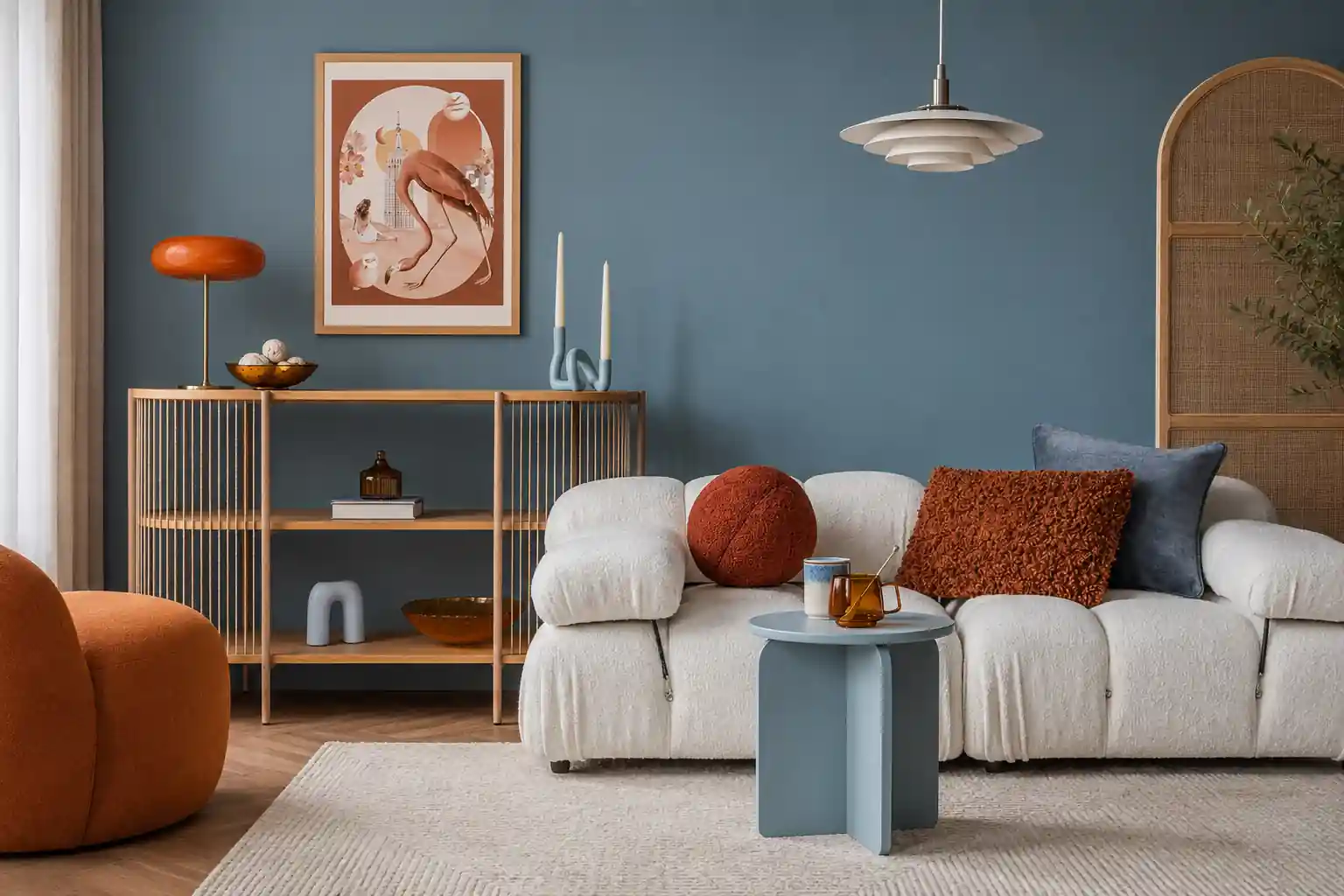
Good hall room design brings seating inward. Instead of a straight-line sofa setup, think in clusters:
• A sofa with two chairs angled toward it
• A sectional that naturally forms a conversation curve
• Even floor seating for casual gatherings during festivals
When people sit face-to-face, conversations feel easier.
2. Create zones, even in small spaces
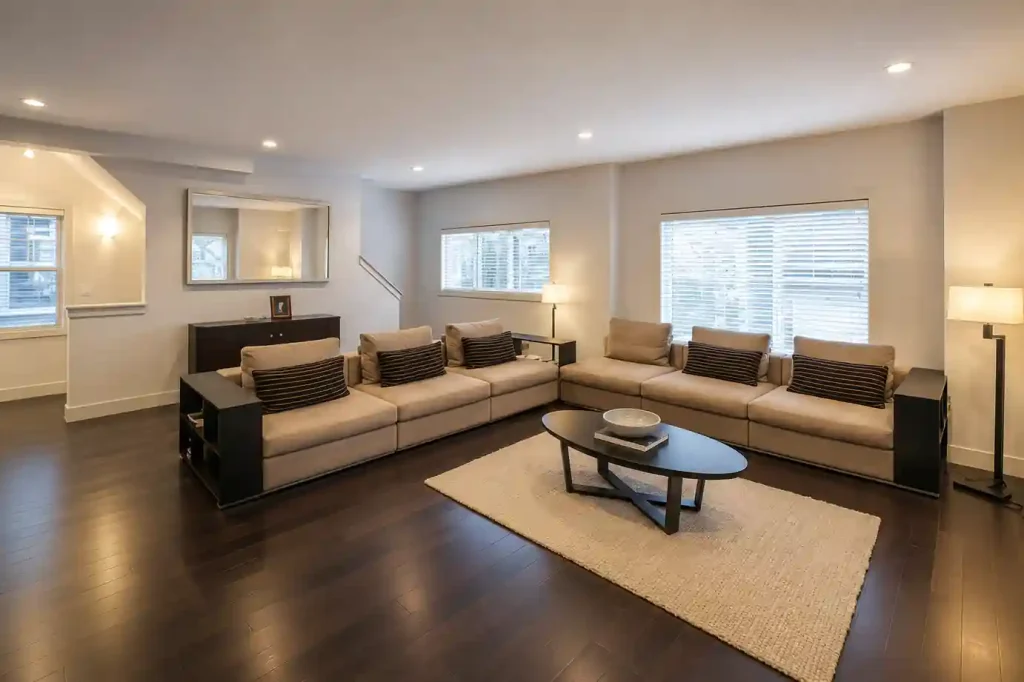
Spacious Living Room Beige L-shaped Sofa Stock Photo 2728130857 | Shutterstock
You don’t need a large living room to create zones. Even a 600–800 sq ft apartment can handle it if planned right. Use subtle hall interior design elements, such as:
• A rug to define the main seating area
• A side chair near a window for a quieter corner
• A console or shelf to visually separate entry and seating
In a typical home hall design, zones help people find their place naturally. Some might prefer a quieter chat near the window, while others gather around the main seating area. It also helps during larger gatherings, think Diwali or house parties. People spread out rather than crowding into one spot.
3. Lighting sets the overall vibe
Overhead tube lights or a single ceiling fixture? That’s the fastest way to make your hall interior design feel flat. Layered lighting works better, always. Combine:
• Ambient lighting for overall brightness
• Accent lighting, like wall sconces or floor lamps
• Warm lights near seating areas
In cities like Mumbai, where natural light can be limited in dense buildings, lighting becomes even more important. In Bangalore, where homes often get better daylight, evening lighting still needs attention. Good living room interior design uses lighting to make people feel comfortable. Not too bright, not too dim. Just enough to relax into conversations.
4. Movement is a big factor
Ever noticed how people hesitate to walk through a crowded living room? That’s poor flow. You need clear pathways. In most hall room design setups, especially in compact homes, aim for:
• At least 2–3 feet of walking space around seating
• No furniture blocking entry points
• Easy access to balconies or dining areas
This becomes crucial when hosting. Your hall interior design should allow guests to move around without interrupting conversations or squeezing past furniture.
In Mumbai apartments, where space is tight, you need to plan out your movement zones thoroughly. The best interior designers in Mumbai strategically place each piece of furniture to ensure nothing impedes free movement.
5. Choose furniture that adapts
Not every gathering looks the same. Sometimes it’s a quiet evening with friends. Other times, it’s a full house during festivals. Your furniture should handle both. Look for:
• Ottomans that double as extra seating
• Lightweight chairs that can be moved easily
• Nesting tables instead of bulky centre tables
A flexible setup is key in hall interior design, especially for urban homes where space needs to multitask.
Add focal points, but don’t overdo it
Every hall needs a visual anchor. Something that draws people in. It could be:
• A coffee table with a simple centrepiece
• A piece of art on the wall
• A well-styled TV unit
The mistake? Adding too many decorative items. Clutter builds quickly. Especially in Indian homes, where gifts, souvenirs, and festive decor keep getting added. Suddenly, surfaces are full, and nothing stands out. When using heavy Indian décor for living rooms, restraint works better than indulgence. A few meaningful pieces create more impact than a crowded shelf.
6. Think about real-life use, not just photos
Where do keys get dropped when you walk in? Where do kids sit for homework? Does your pet have a corner? Where do extra cushions go after guests leave?
These small details shape your hall interior design more than you think.
If you work from home, you might need a small work corner in the hall. In Mumbai, storage becomes critical due to limited space. A sleek cabinet or hidden storage bench can make a big difference. Good hall interior design accounts for these everyday habits, while still ensuring that the room is built for large gatherings.
Where Bonito Designs Fits In
Bonito designs’ approach isn’t just about picking furniture or finishes. It’s built around their LifeDesign philosophy, which focuses on how you actually live in your home. Hosting habits, daily routines, storage needs, all of it gets factored in. Everything is handled in-house, from design to build to quality checks and final handover. They’re ISO-certified, which means consistent quality isn’t optional; it’s part of the process.
You don’t need a bigger house to host guests. You just need a smarter layout, one that accounts for your daily life as well as your love for house gatherings! When your hall interior design supports how people sit, move, and interact, everything changes.
If you want gatherings to feel natural, easy, and enjoyable, book a consultation with Bonito Designs today.
PakarPBN
A Private Blog Network (PBN) is a collection of websites that are controlled by a single individual or organization and used primarily to build backlinks to a “money site” in order to influence its ranking in search engines such as Google. The core idea behind a PBN is based on the importance of backlinks in Google’s ranking algorithm. Since Google views backlinks as signals of authority and trust, some website owners attempt to artificially create these signals through a controlled network of sites.
In a typical PBN setup, the owner acquires expired or aged domains that already have existing authority, backlinks, and history. These domains are rebuilt with new content and hosted separately, often using different IP addresses, hosting providers, themes, and ownership details to make them appear unrelated. Within the content published on these sites, links are strategically placed that point to the main website the owner wants to rank higher. By doing this, the owner attempts to pass link equity (also known as “link juice”) from the PBN sites to the target website.
The purpose of a PBN is to give the impression that the target website is naturally earning links from multiple independent sources. If done effectively, this can temporarily improve keyword rankings, increase organic visibility, and drive more traffic from search results.